How to Choose the Right Aluminum Hat Channel for Your Project?
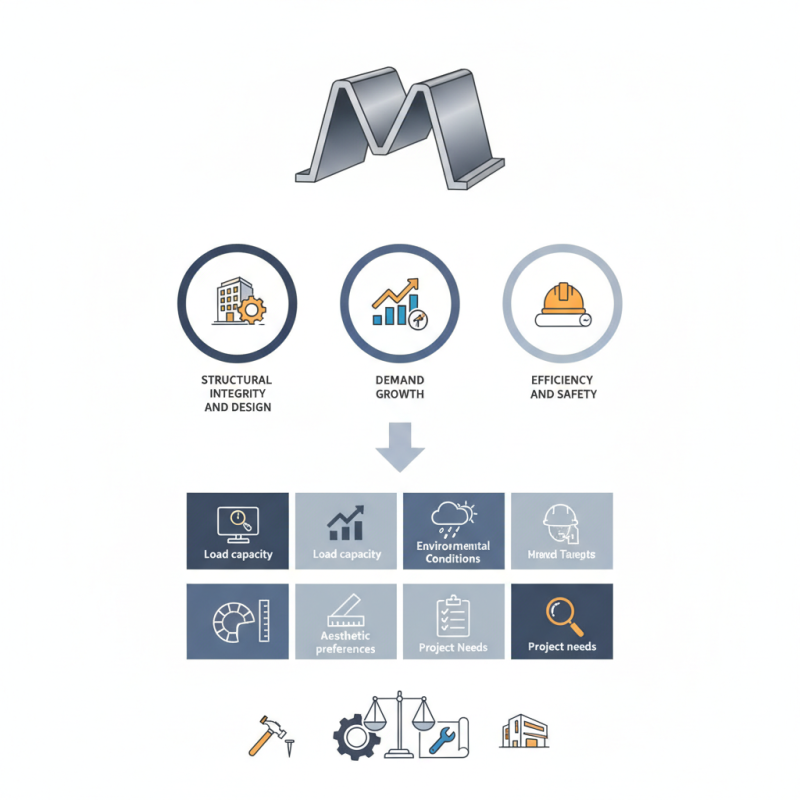
Choosing the right Aluminum Hat Channel for your project is crucial for structural integrity and design aesthetics. According to a recent industry report by the Aluminum Association, the demand for durable and lightweight materials like Aluminum Hat Channels is projected to grow by 5% annually. This growth highlights their significance in construction and manufacturing sectors.
Expert Matt Johnson, a leading figure in structural engineering, emphasizes, "Selecting the appropriate Aluminum Hat Channel is essential for maximizing efficiency and safety." His insight reflects the complexity in choices available today. With varying sizes, thicknesses, and finishes, the right choice can greatly impact project outcomes.
Understanding the specific needs of your project is vital. Consider factors such as load capacity, environmental conditions, and aesthetic preferences. Reflecting on overlooked details can prevent costly mistakes and ensure a successful installation. It’s important to balance functionality with design, as even minor miscalculations can lead to unexpected challenges.
Understanding the Basics of Aluminum Hat Channels
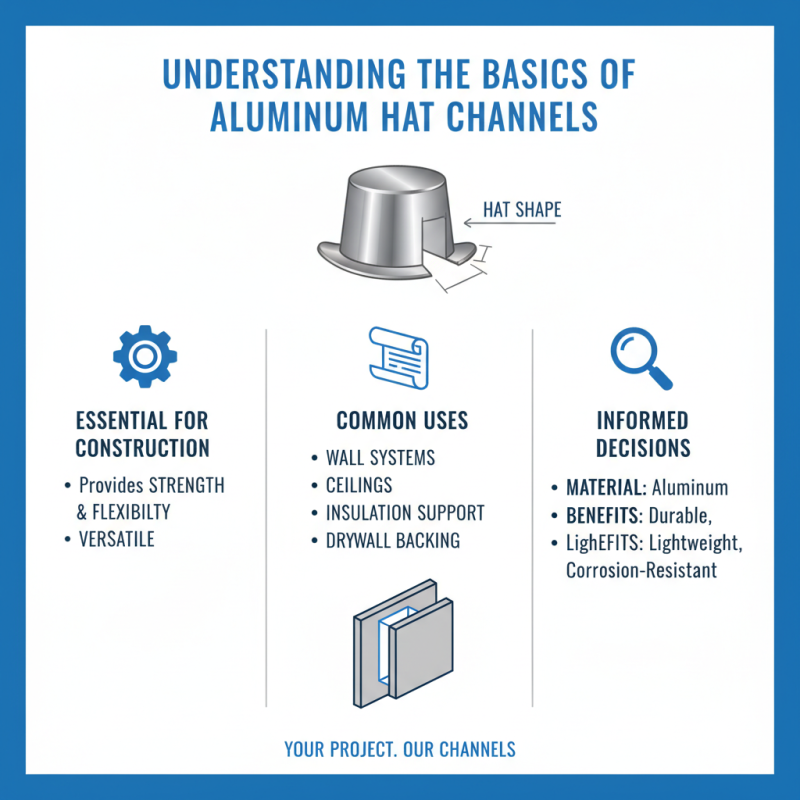
Aluminum hat channels are essential for various construction projects. Understanding their basics can help you make informed decisions. These channels typically feature a “hat” shape that provides strength and flexibility. They are often used in wall systems, ceilings, and as support for insulation and drywall.
When choosing an aluminum hat channel, consider its thickness and width. Thicker channels offer more strength, crucial for heavy loads. Wider channels provide more stability during installation. Evaluate your project's specific needs. The right type can significantly affect durability and performance.
**Tips:** Always measure your space accurately. A small miscalculation can lead to headaches later. Research different grades of aluminum. Not all channels are created equal. You may find that some perform better in specific environments. Don’t hesitate to consult experts if you're unsure about your choice. Taking the time to research can save you from costly mistakes.
Evaluating Project Requirements for Aluminum Hat Channels
When evaluating project requirements for aluminum hat channels, it is essential to consider key aspects that impact performance. The load capacity is a primary factor. Understanding how much weight the channel will bear directly affects your choice. A lighter channel may save on costs but could lead to structural failure. Be sure to analyze the weight distribution on the channel.
Another important point is length and width. The dimensions need to fit your project specifications precisely. Too long or too short can lead to instability. Additionally, the environment plays a role. If the channel is exposed to moisture, selecting an alloy that resists corrosion is vital. It could affect longevity and overall project success.
Don’t overlook the installation process. Some channels are easier to work with than others. A complex design might be more difficult to assemble, leading to increased labor costs. Finally, consider your team’s experience. A more familiar design can expedite the installation, while an unfamiliar one may introduce challenges. Balancing these factors can lead to better project outcomes.
How to Choose the Right Aluminum Hat Channel for Your Project? - Evaluating Project Requirements for Aluminum Hat Channels
| Specifications |
Description |
Common Applications |
Load Capacity (lbs) |
| 1.5"x1.5"x0.125" |
Lightweight channel, easy to handle |
Interior framing, drywall systems |
250 |
| 2"x2"x0.125" |
Moderate weight, balances strength and ease |
Commercial construction, shelves |
400 |
| 2"x3"x0.125" |
Sturdy and robust, ideal for heavy loads |
Structural supports, industrial applications |
600 |
| 3"x3"x0.125" |
Heavy-duty, resists bending |
Architectural frameworks, exterior applications |
800 |
| 2"x4"x0.125" |
Wide surface, supports varied applications |
Scaffolding, wall framing |
700 |
Comparing Different Types of Aluminum Hat Channels
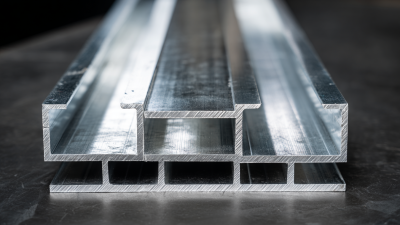
When selecting the right aluminum hat channel for your project, consider the various types available. Different profiles serve distinct purposes. For example, some are designed for structural support, while others focus on aesthetics.
Thickness also varies among options. Thicker channels offer more durability, which can be essential for larger projects. However, they may be more challenging to handle and install. On the other hand, lighter channels are easier to work with but might not provide the same strength. Think about your project's demands when choosing the right thickness.
Surface finish is another important factor. Mill finished channels have a raw appearance, which may suit some designs. However, anodized finishes provide extra corrosion resistance and a polished look. The choice of finish can greatly impact both the function and style of your project. Reflection on these details is key.
Assessing Quality and Durability of Aluminum Hat Channels
When selecting aluminum hat channels, quality and durability are paramount. Start by examining the composition of the aluminum. A higher grade, like 6061, offers excellent resistance to corrosion and is stronger than lower grades. This resilience is crucial for projects exposed to harsh environments. Pay attention to the thickness as well. A thicker channel will add strength, but note that it might be heavier, affecting installation.
Another aspect to consider is the finish of the aluminum hat channels. Anodized finishes provide an extra layer of protection against weathering. This is beneficial for outdoor projects where weather conditions can be unpredictable. However, not all finishes are equal, and some may wear down faster than others. Look for the specific testing and certification of finishes.
Finally, check the source of your materials. Reliable suppliers often provide data on the quality and durability of their products. It's vital to verify if they have a proven track record. Sometimes, lower-priced options may compromise quality. In these cases, you might face issues later on. Reflect on past experiences when selecting materials to ensure you avoid similar pitfalls. Quality now can save future headaches.
Tips for Sourcing and Purchasing Aluminum Hat Channels
When sourcing and purchasing aluminum hat channels, understanding your project's needs is essential. The right choice impacts both functionality and aesthetics. Begin by assessing the specific requirements of your project. Consider factors such as size, weight capacity, and environmental conditions.
Tips for Sourcing: Evaluate multiple suppliers to find the best options. Check for reliable distributors with strong reputations. Reading customer reviews can provide insights into their service quality. Don’t hesitate to ask for samples before making bulk purchases. This allows you to check material quality firsthand.
Tips for Purchasing: Keep an eye on available certifications that indicate quality control measures. Ensure that the aluminum used meets industry standards. This detail can make a significant difference in durability. Additionally, verify the return policy. Sometimes, products may not match your expectations, so having an easy return process saves hassle down the line. Making informed decisions now can help prevent costly mistakes later.